Describe
Set the output and languages.
 Private case study
From a production brief to an editable voice workflow.
Need a passcode? Request access
Describe the job. Inspect the workflow. Generate and check multilingual audio in one place.
Founding designer · research, product design and production frontend.
see it live → onepin.aiResearch, interaction design and the production frontend.
Engineering owned the evaluation backend.

Podonos was working with EA on human voice evaluation. Understanding that work exposed the full production journey: many steps, multiple people and manual handoffs.
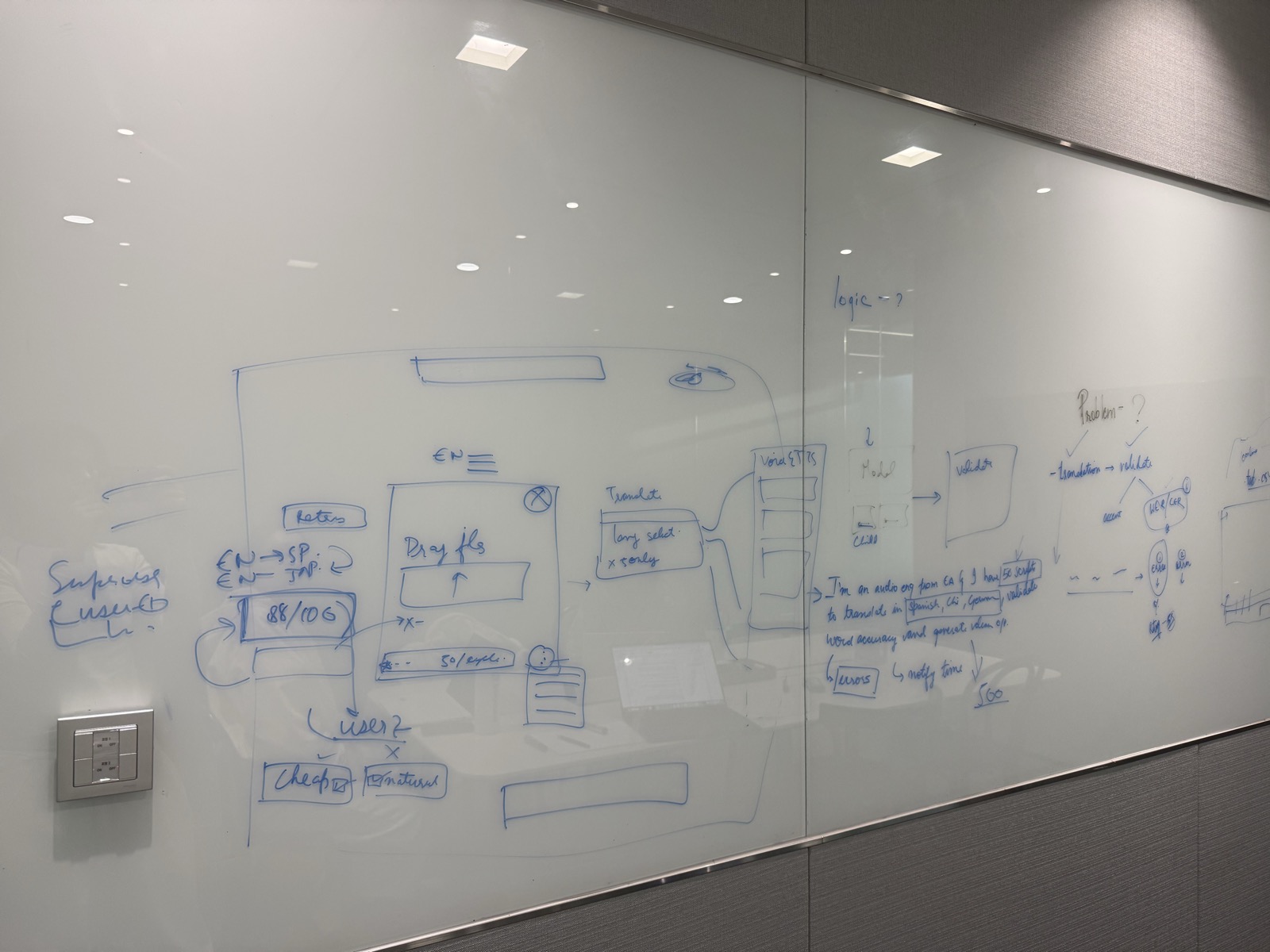
The challenge wasn't one bad take. It was coordinating the work between them.
No shared way to tell if an AI voice even sounds human.
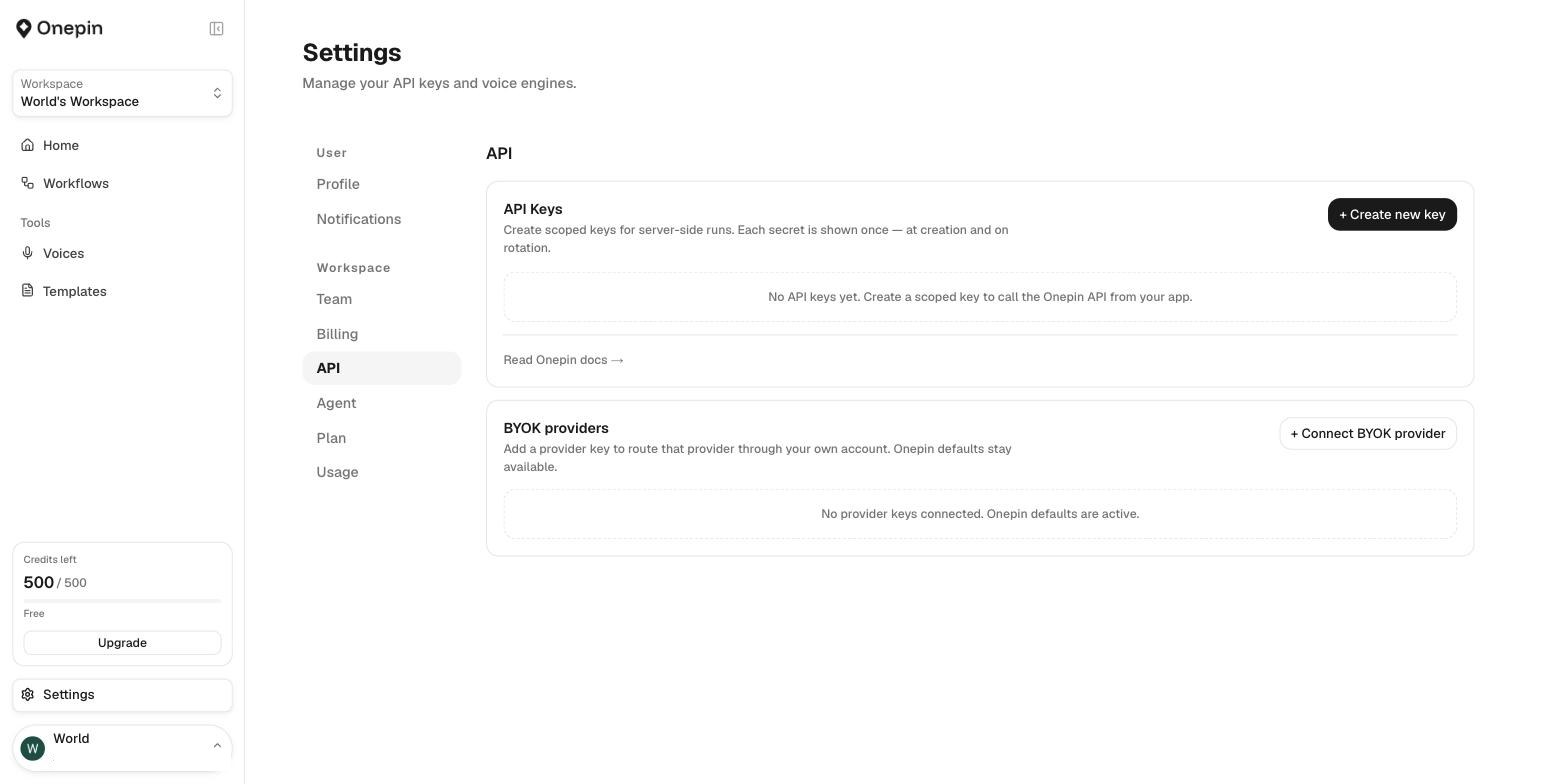
Every API wins for a different language. Teams just guessed.
Five hand-offs before a single line ships.
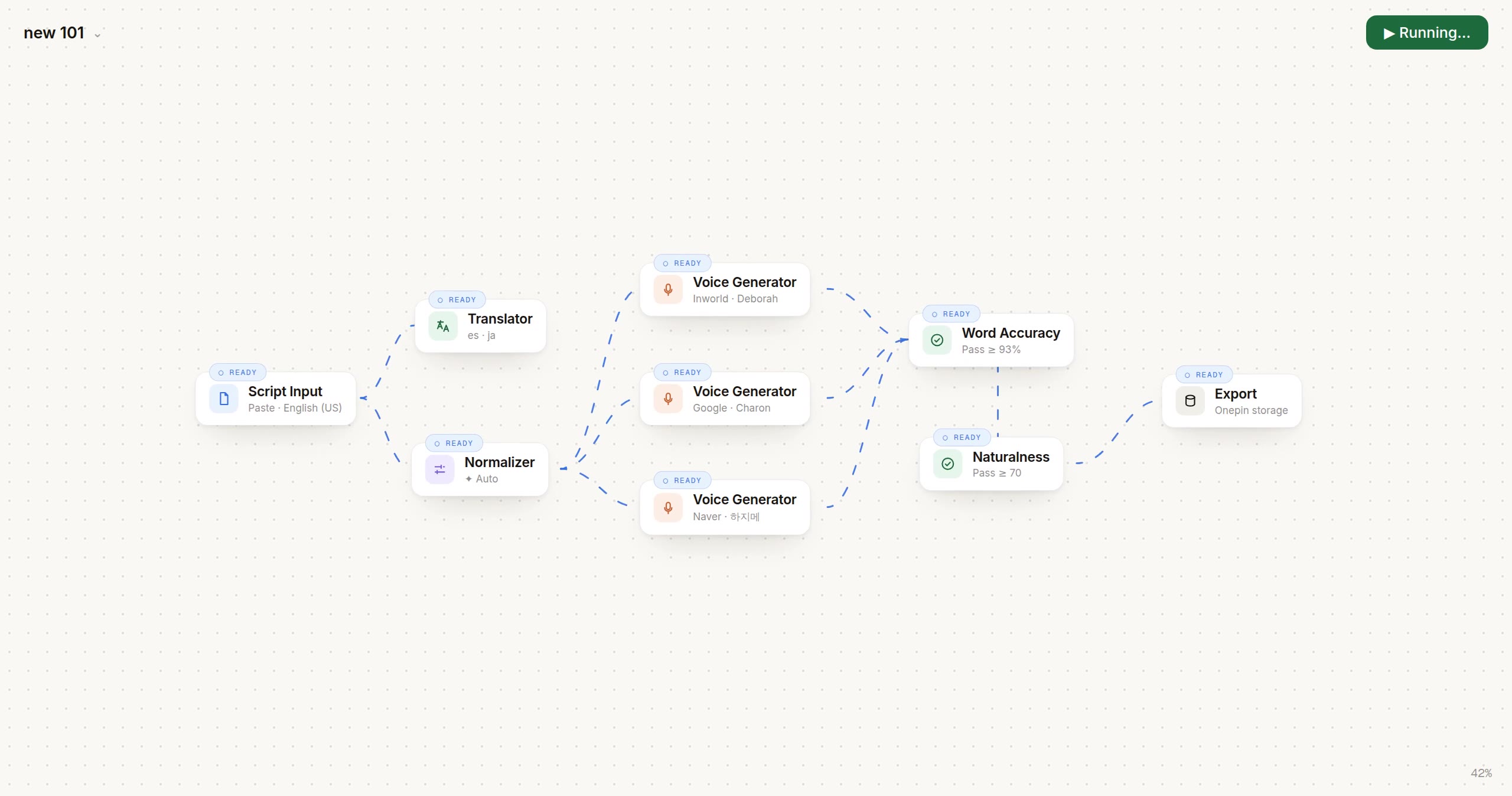
The steps remain. The coordination moves into one place.
Describe the output in chat. Inspect the steps on the canvas, then adjust what you need.
Set the output and languages.
See the connected steps.
Edit a node or rerun a branch.
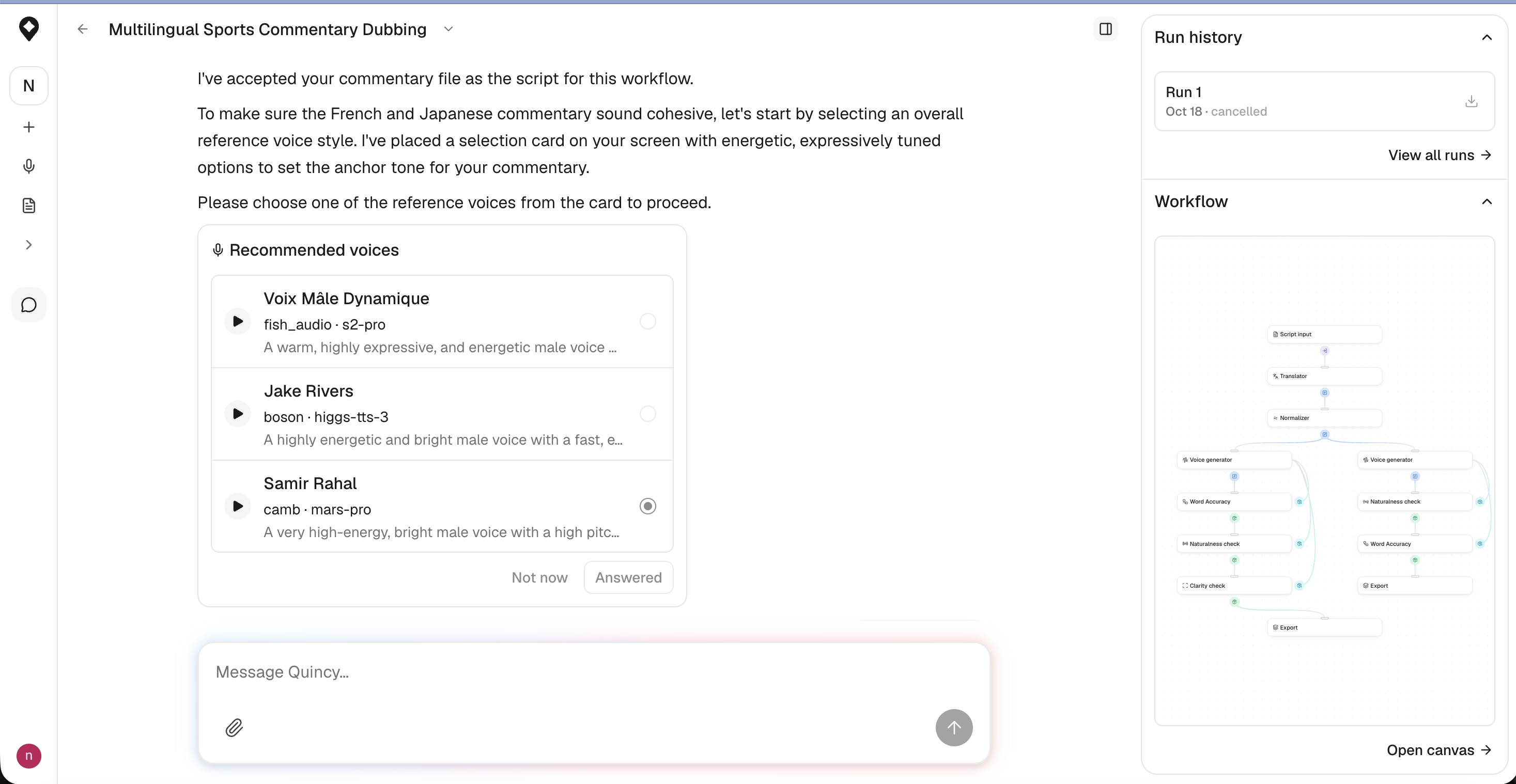
Describe or refine the job in chat.
Select a reference voice from real options.
See the workflow and open the canvas.
Understand the work. Explore alternatives. Make the trade-offs visible.
User interviews and EA conversations shaped the problem. Founder discussions and Seoul fieldwork added domain context, not independent user validation.
in their own words
Illustrative stock portraits, not photos of interview participants. Photo credits
“I can run ten different TTS APIs, but I still can't tell which one actually sounds right for Spanish.”

“We over-produce everything defensively, thousands of files, just so a human can catch the bad takes later.”

“By the time a single line is approved, it's been through five hand-offs and about ten days.”

I explored forms first. Team reviews pushed me toward nodes for flexible workflows, accepting a learning curve around what each node does.
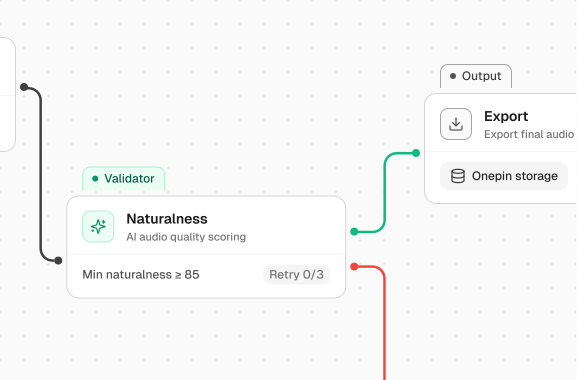
My hypothesis: describing an outcome could ease setup. I kept the canvas for inspection and editing, rather than replacing it with chat.
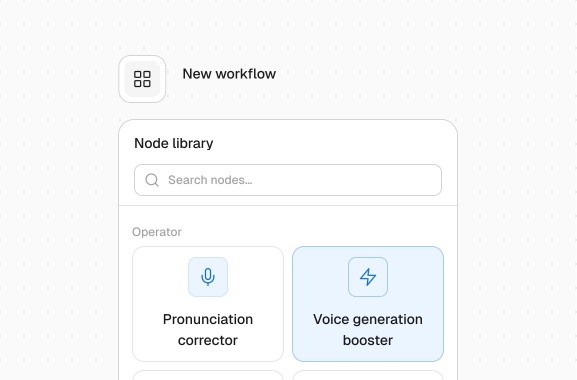
My PM felt users could connect nodes themselves. With permission to explore, I prototyped the alternative and demonstrated it at a GTM meeting.
Turn subjective quality questions into criteria teams can inspect.
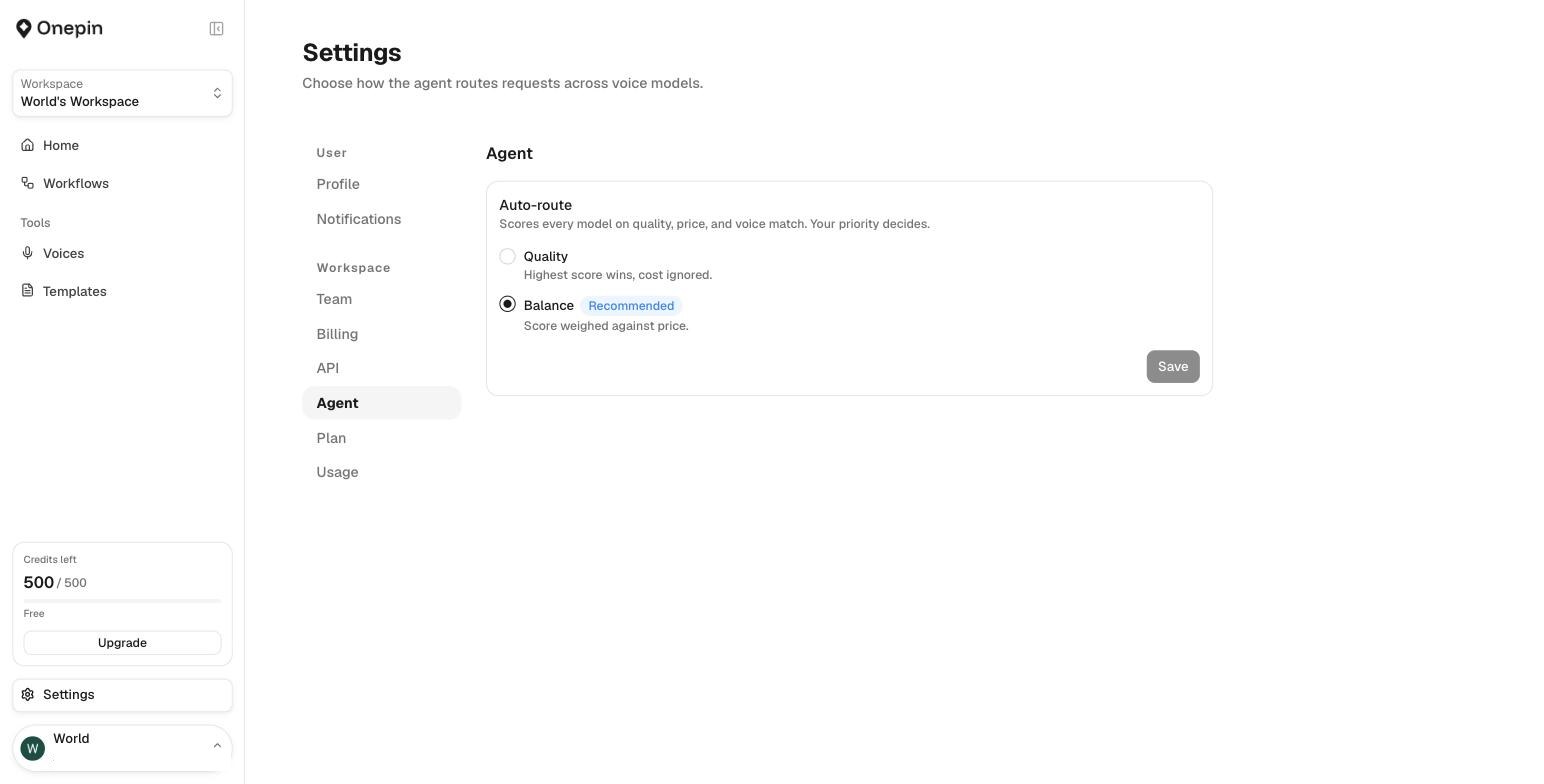
Make model choices and evaluation results visible in the interface.
Compare interview findings with pilot observations. Keep their different scopes explicit.
Build the frontend, then iterate with engineering on the working experience.
Make quality criteria visible, configurable and reusable.
Every correction and validator is selectable, so creators and broadcast teams can set different standards without rebuilding the pipeline.
Five decisions in Quincy, shown in 55 seconds of recorded interaction.
Attach the script and describe the languages and delivery. The user starts with the job, not node configuration.
Reference voices appear inside the conversation, where the user can preview and select the tone.
Quincy narrows the options for the French voice. Similarity cues support the choice; the user still selects it.
Word accuracy and naturalness are already selected. The user adds clarity without leaving the conversation.
The graph exposes translation, generation and quality-check branches for inspection.
Start in chat, adjust the graph, and inspect audio quality.
Describe the job in chat. Fine-tune the same workflow on the canvas.
Inspect quality scores alongside the generated audio.
Surface low-scoring output for review, rather than hiding uncertainty.
Choose the checks and thresholds that fit the production brief.
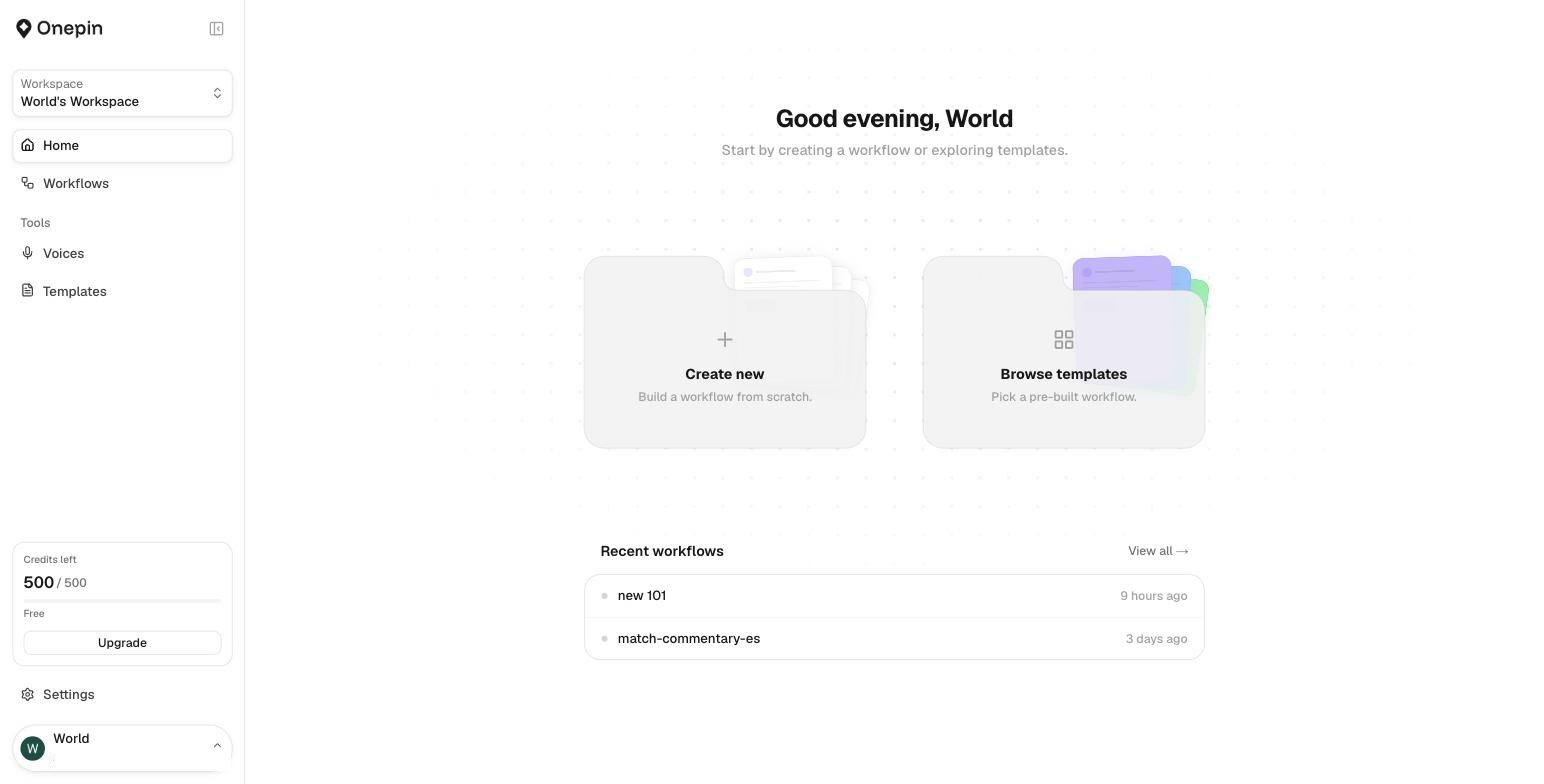
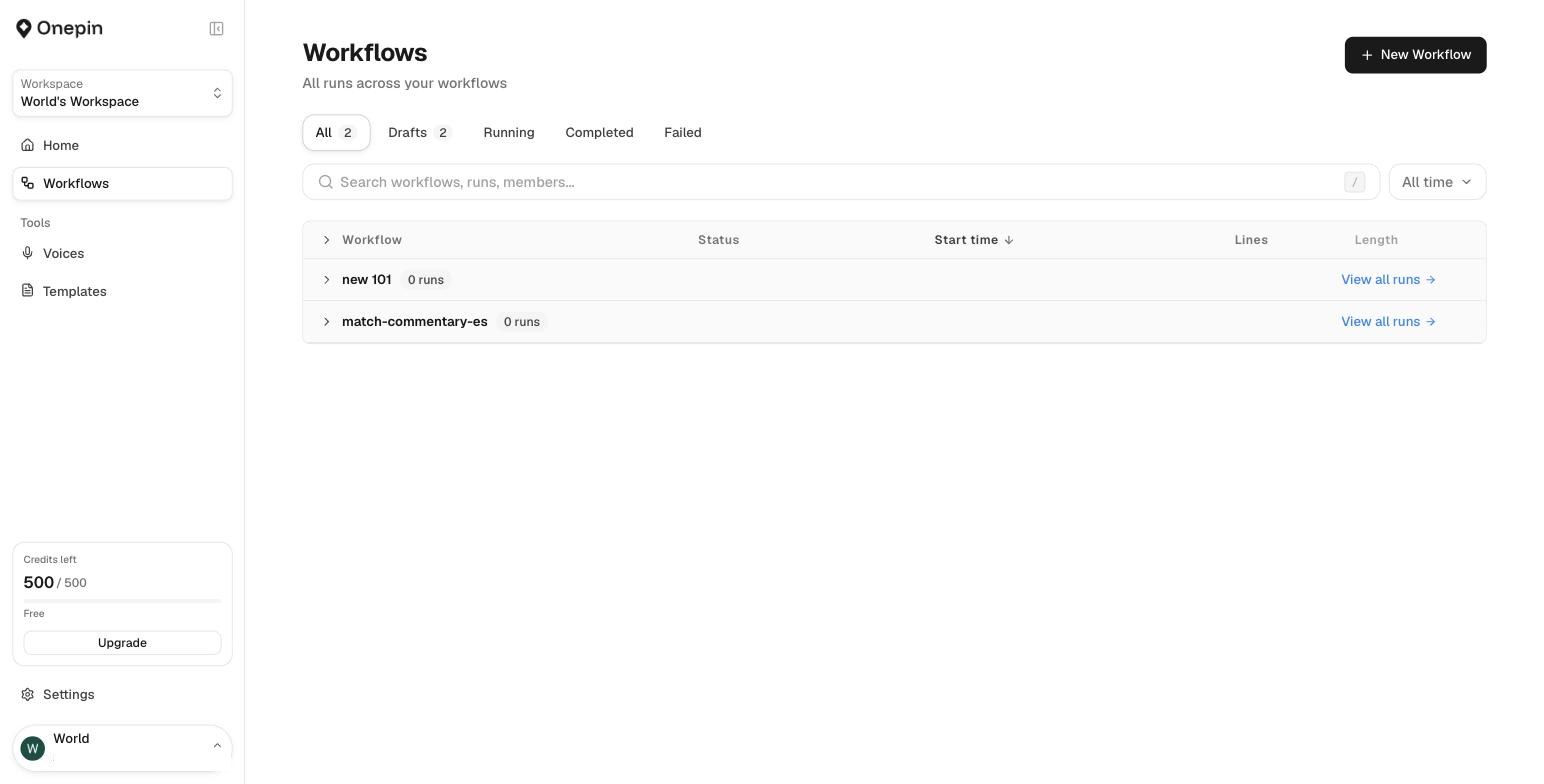
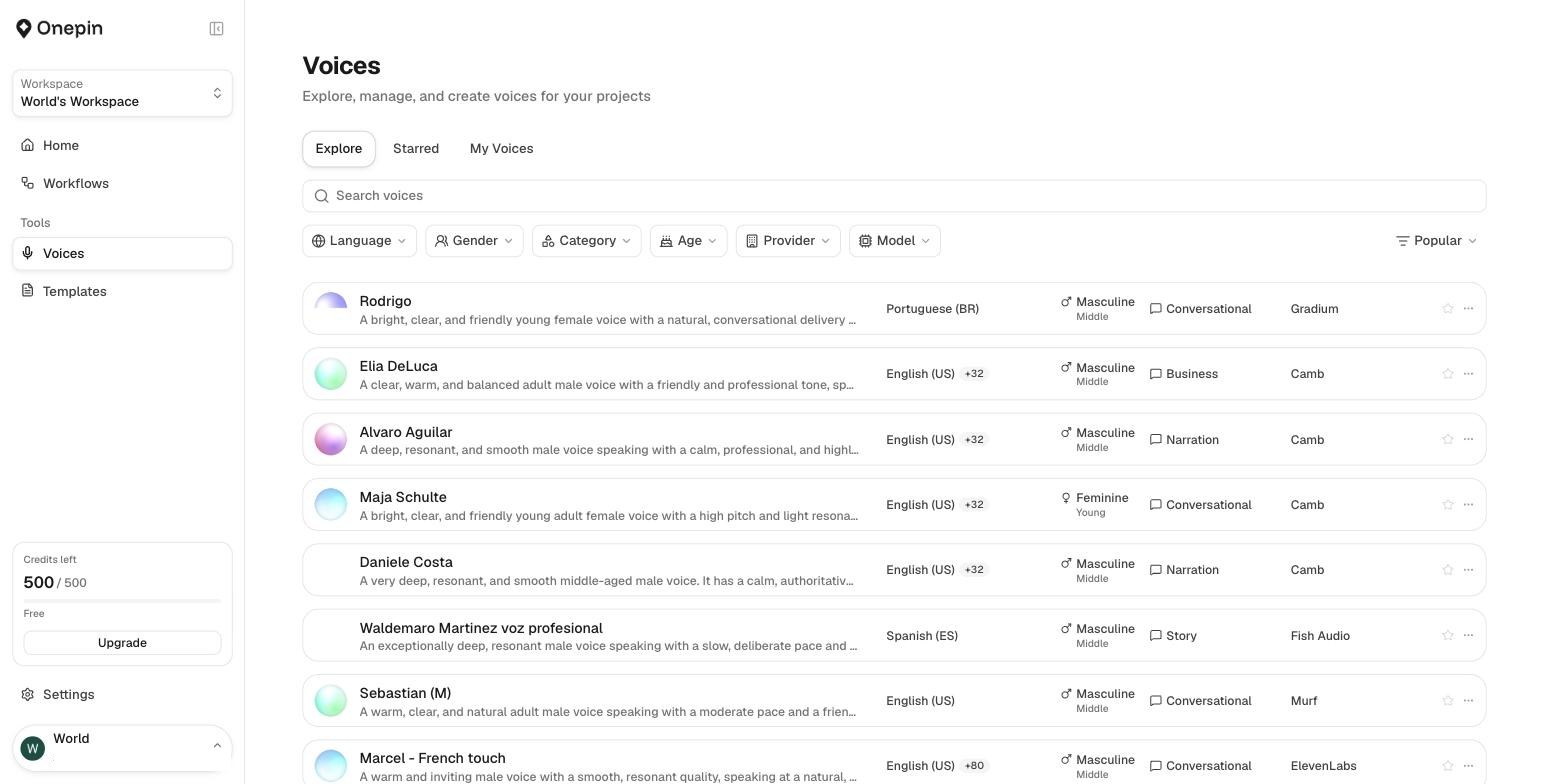
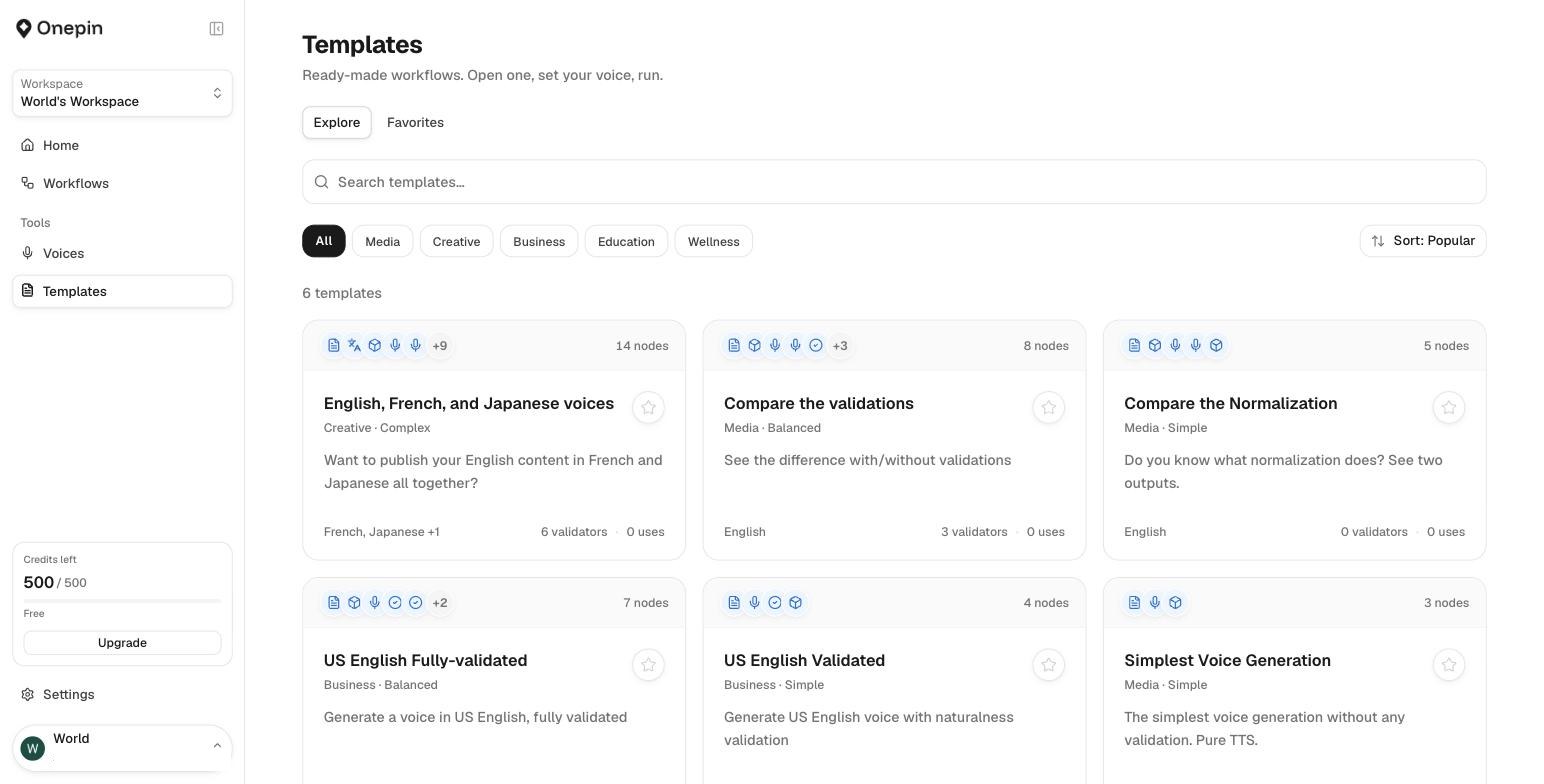
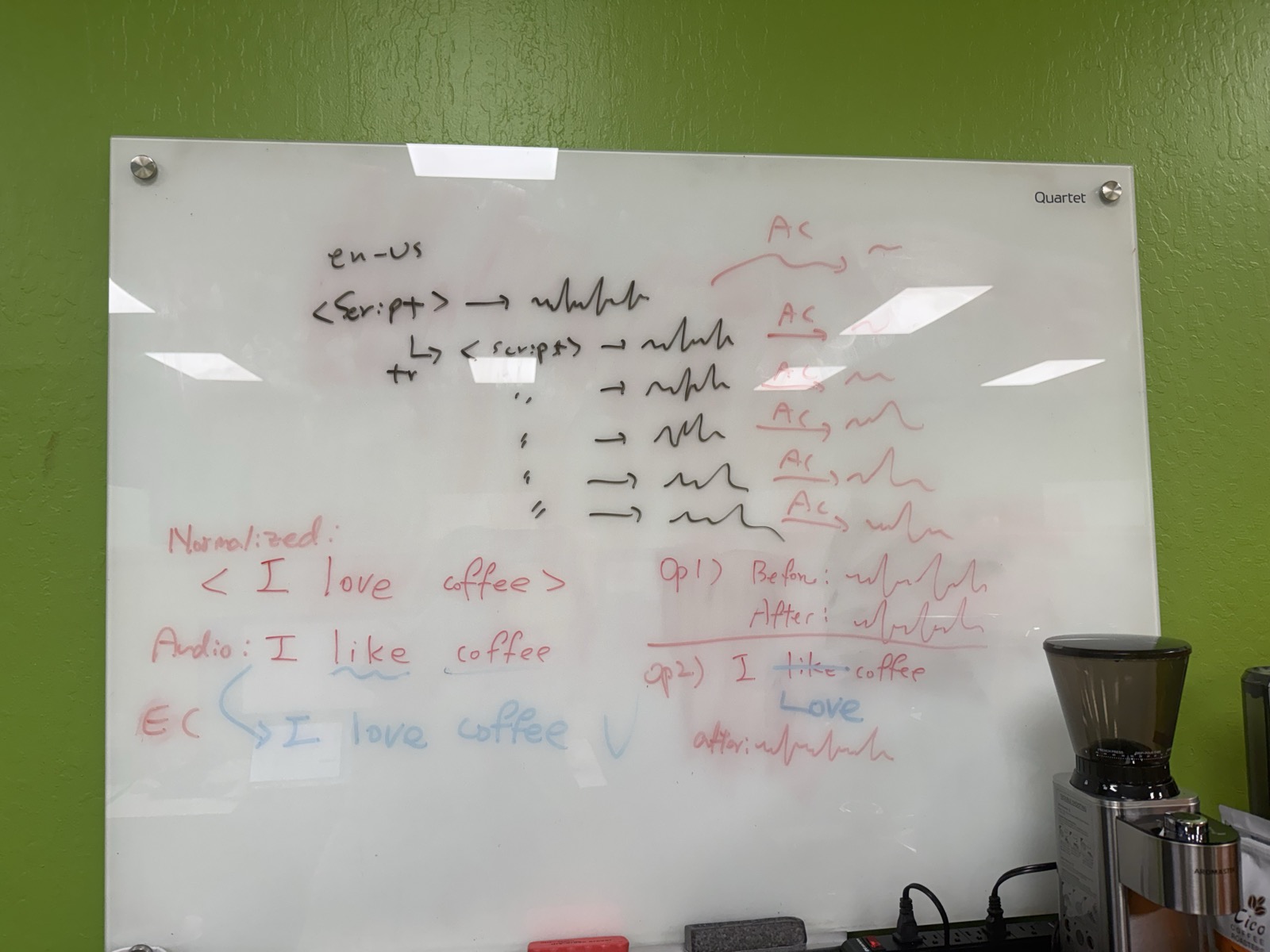
becoming my user
I learned the problem by living in it. Three weeks in Seoul with the founder taught me where accents drift, names break and technically clean takes still sound wrong. Those observations became validators a localization lead could trust, not another generic score.
Reusable Figma components became a working production frontend.
my process · from idea to shipped
Figma Make + Claude Code accelerated implementation. I owned the interaction decisions; engineering owned evaluation.
Translation, voices and quality checks in one editable workflow.
Teams can set and reuse their quality criteria.
Research and product design carried through to production frontend.
Interview baseline: roughly ten days, reported in user interviews and EA conversations. Demo/pilot: processing in hours; excluded human evaluation. These scopes are not established as equivalent, so no percentage savings is claimed.
5 → 1: workflow consolidation, not tasks eliminated. 9,000 takes: 3,000 lines × 3 takes, not measured files eliminated.
Built & shipped · now live at onepin.ai
Forms taught me that simplifying settings isn't the same as simplifying a workflow. Chat and canvas answered different needs: getting started and staying in control.
Next: test that balance with users and measure comparable end-to-end production tasks.
From research and interaction design to a working production frontend, in partnership with engineering.